Alignment Film Coating Equipment SECS/GEM SDK Software Solutions

[vc_row][vc_column][vc_column_text css=””]

In the fast-evolving semiconductor and flat panel display (FPD) industries, precision, automation, and connectivity are the cornerstones of efficient manufacturing. One critical process that demands these qualities is alignment film coating, where even a minor deviation can impact yield and product quality. To ensure smooth communication and compliance with industry standards, equipment manufacturers need robust SECS/GEM SDK software solutions — and that’s where eInnoSys stands out.

[/vc_column_text][/vc_column][/vc_row][vc_row][vc_column width=”1/2″][vc_column_text css=””]Why Software Solutions Matter for Alignment Film Coating Equipment

In today’s smart factories, software is the bridge that connects complex equipment to the host systems, enabling full factory automation and real-time process control. For Alignment Film Coating Equipment, the right software ensures seamless communication, data collection, monitoring, and traceability.

Here’s why software solutions are essential for equipment OEMs and FPD manufacturers:

Factory Integration: Seamlessly connect equipment to factory host systems through SECS/GEM communication standards.

Process Visibility: Monitor and control every step of the film coating process in real-time for enhanced yield and consistency.

Data-Driven Insights: Collect, store, and analyze equipment data to predict maintenance needs and improve uptime.

Faster Time-to-Market: Reduce development time and integration challenges with ready-to-use SDKs that comply with SEMI standards.[/vc_column_text][/vc_column][vc_column width=”1/2″][vc_single_image image=”37850″ img_size=”full” alignment=”center” css=””][/vc_column][/vc_row][vc_row][vc_column width=”1/2″][vc_column_text css=””]Comprehensive Equipment Software Solutions by eInnoSys

eInnoSys offers a full suite of equipment software solutions designed specifically for semiconductor, FPD, and related high-tech manufacturing industries. Our solutions are built to help OEMs easily enable SECS/GEM, GEM300, and EDA (Interface A) communication on their equipment — without spending years on custom software development.

Our SECS/GEM SDK Highlights:

  • Plug-and-Play Integration: Rapidly implement SEMI-compliant host communication.
  • Customizable Framework: Tailor the SDK for the unique process needs of alignment film coating tools.
  • Cross-Platform Support: Compatible with Windows and Linux-based equipment controllers.
  • Comprehensive Documentation: Easy-to-follow integration guides, APIs, and example codes.
  • Global Support: Backed by experienced SECS/GEM engineers who assist in deployment, testing, and certification.

[/vc_column_text][/vc_column][vc_column width=”1/2″][vc_column_text css=””]Why Choose eInnoSys for Alignment Film Coating Equipment SDK Solutions?

When it comes to enabling SECS/GEM connectivity for alignment film coating equipment, choosing the right technology partner makes all the difference. Here’s what sets eInnoSys apart:

✅ Proven Industry Expertise: Decades of experience in semiconductor and FPD automation software development.

✅ End-to-End Solutions: From SECS/GEM SDKs to full equipment control software, eInnoSys covers the complete software stack.

✅ SEMI Standards Compliance: Our SDKs are fully compliant with SEMI E5, E30, E37, E39, and related standards.

✅ Faster Certification: Reduce time and cost of SECS/GEM compliance testing with pre-validated modules.

✅ Scalable Architecture: Our SDKs support future expansion, including EDA, IoT, and AI-driven analytics.[/vc_column_text][/vc_column][/vc_row][vc_row][vc_column width=”1/2″][vc_column_text css=””]With our SDK suite, OEMs and FPD manufacturers can:

  • Easily enable SECS/GEM communication on new or legacy equipment.
  • Improve production efficiency with real-time data exchange.
  • Reduce downtime with predictive maintenance integrations.
  • Shorten development cycles with pre-tested software components.
  • Stay ahead of Industry 4.0 trends with scalable digital solutions.

[/vc_column_text][/vc_column][vc_column width=”1/2″][vc_single_image image=”37849″ img_size=”full” alignment=”center” css=””][/vc_column][/vc_row][vc_row][vc_column][vc_column_text css=””]

As the semiconductor and FPD industries continue to advance, automation and data integration are key to achieving precision, efficiency, and scalability. With eInnoSys SECS/GEM SDK software solutions, Alignment Film Coating Equipment manufacturers can streamline factory connectivity, ensure SEMI compliance, and accelerate innovation.

Whether you’re developing new equipment or upgrading existing systems, eInnoSys provides the reliable, scalable, and smart software foundation you need to succeed in the era of intelligent manufacturing.

[/vc_column_text][/vc_column][/vc_row][vc_row][vc_column][vc_column_text css=””]

Expanded Frequently Asked Questions (FAQs)

[/vc_column_text][vc_toggle title=”What is SECS/GEM and why is it important for alignment film coating equipment?” css=””]SECS/GEM is a set of SEMI standards that define communication between manufacturing equipment and host systems. For film coating tools, it ensures standardized data exchange, process control, and automation.[/vc_toggle][vc_toggle title=”Can eInnoSys SDK integrate with my existing equipment controller?” css=””]Yes, our SECS/GEM SDK supports most industrial controllers, including those running on Windows or Linux platforms.[/vc_toggle][vc_toggle title=”Does eInnoSys provide customization for film coating process control?” css=””]Absolutely. We can tailor our SDK and software modules to support specific alignment and coating process parameters.[/vc_toggle][vc_toggle title=”Is your SDK compatible with Industry 4.0 or smart factory initiatives?” css=””]Yes, our SDKs are Industry 4.0-ready, supporting data analytics, IoT connectivity, and AI/ML integration.[/vc_toggle][vc_toggle title=”What is SECS/GEM and why is it important for alignment film coating equipment?” css=””]SECS/GEM is a SEMI communication standard that enables manufacturing equipment to communicate with factory host systems. For alignment film coating equipment, it ensures smooth automation, consistent data collection, and real-time process control across the production line.[/vc_toggle][vc_toggle title=”Can eInnoSys SDK integrate with my existing equipment controller?” css=””]Yes. eInnoSys SECS/GEM SDK supports major industrial platforms such as Windows, Linux, and embedded controllers, allowing seamless integration with both new and legacy alignment film coating equipment.[/vc_toggle][vc_toggle title=”How long does SECS/GEM integration take using your SDK?” css=””]Most customers achieve complete SECS/GEM integration within a few weeks, thanks to our ready-to-deploy SDK modules, detailed documentation, and expert support.[/vc_toggle][vc_toggle title=”Does eInnoSys provide customization for film coating process control?” css=””]Absolutely. Our SDK and software solutions can be customized to match the specific alignment, film coating, and curing process parameters required by OEMs or manufacturers.[/vc_toggle][vc_toggle title=”Is your SDK compatible with Industry 4.0 or smart factory initiatives?” css=””]Yes. eInnoSys SDKs are Industry 4.0-ready, supporting IoT data integration, AI/ML analytics, and predictive maintenance applications for advanced smart manufacturing.[/vc_toggle][vc_toggle title=”What SEMI standards does the eInnoSys SECS/GEM SDK comply with?” css=””]Our SDK is fully compliant with key SEMI standards including E5 (SECS-II), E30 (GEM), E37 (HSMS), E39 (Object Services), and GEM300 for 300mm equipment support.[/vc_toggle][vc_toggle title=”Does eInnoSys offer support after SDK implementation?” css=””]Yes, we provide comprehensive post-integration support, including troubleshooting, factory acceptance testing, remote assistance, and software updates to ensure long-term reliability.[/vc_toggle][vc_toggle title=”Can I upgrade older alignment film coating tools to be SECS/GEM compliant using your SDK?” css=””]Definitely. Our SDK allows retrofit upgrades for older or legacy equipment, enabling them to meet current SEMI communication and automation standards without full hardware redesign.[/vc_toggle][vc_toggle title=”Is training provided for my engineering or software team?” css=””]Yes. eInnoSys offers hands-on training programs covering SECS/GEM fundamentals, SDK integration, testing procedures, and best practices for film coating equipment developers.[/vc_toggle][vc_toggle title=”How does eInnoSys ensure data security and system reliability?” css=””]Our SDK uses secure communication protocols (HSMS/TCP) and is rigorously tested for fault tolerance, data integrity, and uptime reliability, ensuring consistent factory communication under demanding production environments.[/vc_toggle][/vc_column][/vc_row][vc_row][vc_column][/vc_column][/vc_row]

Cutting-Edge Software Solutions for Semiconductor Equipment Manufacturers

Summary

  • Growth Drivers: The semiconductor market is projected to reach $1 trillion by 2030, necessitating high-precision software to manage equipment complexity.
  • Core Connectivity: SECS/GEM and GEM300 standards remain the backbone of communication between equipment and factory host systems.
  • Operational Efficiency: Advanced equipment automation solutions reduce human error, increase throughput, and ensure 24/7 uptime in cleanroom environments.
  • Future-Proofing: Integrating AI-driven predictive maintenance and cloud-based analytics allows manufacturers to stay ahead of Moore’s Law.
  • Strategic Integration: Seamlessly connecting fab automation systems with existing MES/ERP frameworks is vital for digital transformation.

Introduction

According to the SEMI Year-End Total Semiconductor Equipment Forecast (2024), global sales of semiconductor manufacturing equipment reached $100 billion, marking a significant rebound as the industry prepares for the next wave of AI-driven demand. This massive investment highlights a shift toward smarter, more autonomous hardware. To keep these multi-million dollar machines running at peak performance, developers are increasingly focused on specialized software solutions for semiconductor equipment manufacturers.

Building a chip is a bit like trying to build a skyscraper out of Lego bricks while riding a unicycle during an earthquake. The precision required is staggering. If the software controlling the lithography or etching equipment lags by even a fraction of a second, an entire wafer of high-value chips becomes a very expensive coaster. This reality makes the underlying software layer as critical as the hardware itself.

Modern semiconductor manufacturing software must handle massive data streams while maintaining nanosecond-level control. Manufacturers are moving away from monolithic, legacy architectures toward modular, interoperable systems. This evolution allows for faster updates and better integration with the broader factory ecosystem.

Essential Software Solutions for Semiconductor Equipment Manufacturers

The complexity of modern chipmaking requires a multi-layered software approach. It starts with the basic machine control and extends to how that machine talks to the rest of the factory. Without a cohesive strategy, equipment remains an “island of automation,” unable to share vital data or receive remote instructions.

Mastering Connectivity with SECS/GEM

Standardization is the secret sauce of the semiconductor world. The SEMI Equipment Communications Standard/Generic Equipment Model (SECS/GEM) is the primary protocol used for communication between the equipment and the factory’s Manufacturing Execution System (MES). These software solutions for semiconductor equipment manufacturers enable the host to start or stop processing, select recipes, and collect data for quality analysis.

The Leap to GEM300 Standards

As wafers grew to 300mm, the industry introduced the GEM300 standards. These protocols manage complex tasks like carrier handoffs and automated material handling. Implementing semiconductor OEM software that fully supports E39 (Object Services), E40 (Process Management), and E94 (Control Job Management) is mandatory for any equipment intended for a modern 300mm fab.

Driving Efficiency Through Equipment Automation Solutions

Automation is no longer a luxury; it is a survival mechanism. Human intervention in a cleanroom is a primary source of contamination. Consequently, OEMs are prioritizing equipment automation solutions that minimize manual touchpoints. This includes everything from robotic arm calibration to automated recipe management.

Real-Time Monitoring and Data Visualization

You cannot fix what you cannot see. High-fidelity dashboards provide engineers with real-time insights into machine health. Modern industrial software for semiconductors uses edge computing to process sensor data locally, providing immediate feedback loops that can adjust process parameters on the fly.

AI-Driven Predictive Maintenance

Is the vacuum pump about to fail? Or is that vibration just a ghost in the machine? Predictive maintenance software uses machine learning models to analyze historical data and identify patterns that precede a failure. By addressing issues before they cause a shutdown, manufacturers avoid the “emergency scramble” that ruins production schedules.

Benefits of Modern Semiconductor OEM Software

Investing in high-quality software yields dividends across the entire product lifecycle. For the OEM, it means faster deployment and fewer support headaches. For the fab operator, it means higher yield and lower total cost of ownership.

  • Faster Time-to-Market: Pre-built software modules for common tasks like wafer mapping or alarm handling allow engineers to focus on their unique hardware IP.
  • Global Compliance: Modern software ensures that equipment meets international standards for safety and communication right out of the box.
  • Scalability: Modular fab automation systems can be updated with new features without requiring a complete hardware overhaul.

Implementing Fab Automation Systems Successfully

Integration is where the rubber meets the road. Even the best machine is useless if it refuses to play nice with the factory host. This requires a deep understanding of both the hardware capabilities and the IT requirements of the end-user.

Overcoming Legacy System Hurdles

Many fabs still run on older software stacks. Bridging the gap between a brand-new etching tool and a 15-year-old MES requires flexible software solutions for semiconductor equipment manufacturers. Middleware and protocol converters often act as the “universal translator” in these scenarios.

Ensuring Cybersecurity in the Fab

As equipment becomes more connected, it also becomes a target. Intellectual property is the lifeblood of the semiconductor industry. Modern industrial software for semiconductors must include robust encryption, secure boot processes, and role-based access control to prevent unauthorized data exfiltration or tampering.

User Interface (UI) and Experience (UX)

A cluttered interface leads to mistakes. Modern software design focuses on intuitive touchscreens and clear visual cues. If an operator needs a PhD to find the “Emergency Stop” or the recipe upload button, the software has failed. Simple, clean, and responsive designs are the new standard for semiconductor manufacturing software.

The Human Element in a Silicon World

Despite the “lights-out” factory goals, humans still design, build, and maintain these machines. Why is it that we can order a pizza with one click, but sometimes updating a recipe on a wafer-bonder feels like writing a letter in Cuneiform? Software should empower the people on the floor, making their jobs easier, not more frustrating.

When we talk about software solutions for semiconductor equipment manufacturers, we are really talking about trust. The OEM trusts the software to represent their hardware accurately. The fab operator trusts the software to handle billions of dollars in inventory. It is a heavy responsibility, but when done right, it makes the impossible task of chipmaking look like a walk in the park.

Conclusion

The path to the next generation of electronics is paved with code. As chips get smaller and demands get higher, the reliance on sophisticated software solutions for semiconductor equipment manufacturers will only intensify. By prioritizing connectivity, automation, and user-centric design, OEMs can deliver machines that aren’t powerful; they are smart.

Whether you are looking to upgrade legacy systems or build a new platform from scratch, the right software partner makes all the difference. Are you ready to optimize your equipment for the future of the fab?

Contact Us Today

Get Custom Software Built for Semiconductor Manufacturing Needs


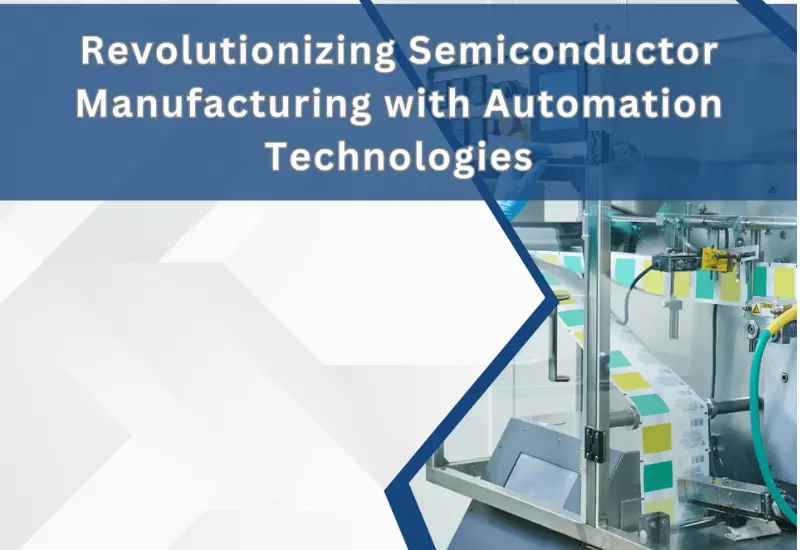
Revolutionizing Semiconductor Manufacturing with Automation Technologies

Summary

  • Efficiency Gains: Automation increases fab throughput by removing human error and optimizing material transport.
  • Yield Improvements: Advanced sensors and AI-driven analytics detect defects earlier than manual inspections.
  • Market Growth: The push toward 2nm and 3nm nodes makes semiconductor manufacturing automation a necessity rather than a luxury.
  • Data Integration: Modern fab automation solutions rely on SECS/GEM protocols for seamless equipment-to-host communication.
  • Future Readiness: Transitioning to “lights-out” manufacturing reduces contamination risks and operational overhead.

Introduction

According to a report by McKinsey & Company (2022), the global semiconductor industry is on track to become a $1 trillion sector by 2030. This massive expansion places unprecedented pressure on fabrication plants to increase output while maintaining microscopic precision. To meet these demands, semiconductor manufacturing automation has shifted from a peripheral upgrade to the central nervous system of the modern fab.

The complexity of contemporary chip design means a single mistake during the photolithography or etching stage can lead to millions of dollars in scrapped material. Automation acts as a safeguard, ensuring that every movement within the cleanroom is executed with robotic consistency. Beyond simple robotics, the integration of smart software allows for real-time adjustments that humans simply cannot perform at scale.

Facilities that embrace industrial automation in semiconductor environments see a drastic reduction in cycle times. By removing the variability of manual handling, these plants achieve higher reliability and a more predictable supply chain. As the industry moves toward increasingly smaller nodes, the margin for error disappears, making automated systems the primary driver of competitive advantage.

The Evolution of Semiconductor Process Optimization

The journey from manual wafer handling to fully autonomous environments marks a significant era in electronics history. In the early days, technicians moved wafers by hand, a process that invited contamination and physical damage. Today, the focus has shifted toward semiconductor process optimization through sophisticated material handling and data-driven decision-making.

Moving Beyond Manual Handling

Modern fabs utilize Automated Material Handling Systems (AMHS) to transport wafers between process steps. These systems, often involving Overhead Hoist Transport (OHT) or Automated Guided Vehicles (AGVs), minimize the vibration and particles that human operators inevitably introduce. Because a single speck of dust can ruin a 300mm wafer, keeping humans away from the product is a primary goal.

The Impact of 300mm and 450mm Wafers

As wafer sizes increased, their weight and fragility made manual transport nearly impossible. Automation became the solution for handling these heavy loads without sacrificing speed. This transition required a complete redesign of fab layouts to accommodate tracks, elevators, and robotic arms that operate in tight spaces.

Key Technologies in Fab Automation Solutions

Implementing effective fab automation solutions involves a mix of hardware and software working in tandem. It starts with the equipment on the floor and extends to the cloud-based analytics that predict when a machine might fail.

Equipment Communication and SECS/GEM Protocols

For a tool to be “automated,” it must communicate with the Manufacturing Execution System (MES). This is achieved through SECS/GEM (Semiconductor Equipment Communication Standard/Generic Equipment Model). These protocols allow the factory host to start or stop processing, track wafer locations, and collect data for quality control.

The Role of E58 and E142 Standards

Beyond basic communication, standards like SEMI E58 (Object Management) and E142 (Substrate Mapping) provide deeper insights. They help engineers track the “genealogy” of a chip. If a defect appears in the final testing phase, automation software can trace it back to the exact chamber and time of the incident.

AI and Machine Learning in Defect Detection

Visual inspection used to be a bottleneck. Today, high-speed cameras paired with machine learning algorithms scan wafers for imperfections at speeds no human could match. These systems learn from every scan, becoming more accurate over time and reducing “false catches” that slow down production.

Strategic Benefits of Industrial Automation in Semiconductor Fabs

Why do stakeholders invest billions in these systems? The ROI comes from three main areas: yield, throughput, and safety. A silicon wafer is essentially a very expensive piece of glass that refuses to cooperate if the environment is slightly off. Automation ensures that the environment remains perfect.

  • Yield Enhancement: Automated metrology identifies process drifts before they result in scrapped wafers.
  • Reduced Contamination: Fewer humans in the cleanroom means fewer skin cells and fibers entering the airflow.
  • Lower Operational Costs: While initial CAPEX is high, the long-term cost per wafer drops as throughput increases.
  • Safety Improvements: Robotic systems handle hazardous chemicals and heavy machinery, protecting the workforce from workplace accidents.

Overcoming Challenges in Semiconductor Manufacturing Automation

Despite the benefits, the road to a fully automated fab is paved with technical hurdles. Legacy equipment remains one of the largest obstacles for established companies. Older machines frequently lack the native digital interfaces required for modern manufacturing technology in semiconductors.

Integrating Legacy Tools

Many fabs operate with “vintage” tools that are still mechanically sound but digitally silent. Engineers often use “retrofitting” to add sensors and communication bridges to these machines. This allows a 20-year-old etcher to participate in a modern data ecosystem without requiring a multi-million-dollar replacement.

Data Silos and Interoperability

Even with new equipment, data often gets trapped in proprietary formats. True semiconductor manufacturing automation requires a horizontal data flow where the lithography tool “talks” to the development track. Breaking these silos is a major focus for MES engineers who want a holistic view of the factory floor.

The Future of Lights-Out Manufacturing

The “lights-out” factory is the ultimate goal for many high-volume manufacturers. In this scenario, the fab operates with zero human intervention on the production floor. This setup relies on advanced AI to manage scheduling and maintenance autonomously.

Digital Twins and Predictive Maintenance

Digital twins are virtual replicas of the physical fab. By running simulations on a digital twin, engineers can predict how a change in the production schedule will affect throughput. This prevents “bottlenecking” before it occurs in the real world. Predictive maintenance takes this further by analyzing vibration and heat data to schedule repairs before a tool breaks down.

Workforce Shift: From Operators to Orchestrators

Automation fails to eliminate jobs; instead, it changes their nature. The role of a fab worker is evolving from manual labor to system orchestration. Engineers now focus on optimizing algorithms and managing robotic fleets rather than moving boxes. Is your team ready to trade their wrenches for code? This shift requires significant upskilling and a new approach to technical training.

Implementing Manufacturing Technology in Semiconductors

Selecting the right partner for automation is a critical decision. It involves evaluating the scalability of software and the durability of hardware. A successful implementation usually follows a phased approach to avoid disrupting current production.

  1. Assessment: Identify the biggest bottlenecks in the current workflow.
  2. Pilot Programs: Automate a single line or process step to prove ROI.
  3. Data Harmonization: Ensure all tools speak a common language (SECS/GEM).
  4. Full Integration: Connect the floor tools to the MES and ERP systems.
  5. Continuous Optimization: Use AI to refine processes based on real-time data.

Conclusion

The transition toward semiconductor manufacturing automation is no longer a choice for those who wish to remain relevant. With global demand for chips skyrocketing and transistor sizes shrinking to the atomic level, the precision of robotics and the speed of AI are the new industry standards. By investing in fab automation solutions, manufacturers can ensure higher yields, lower costs, and a safer environment for their workforce.

Contact Us Today

Get Expert Help to Implement Advanced Fab Automation Technologies


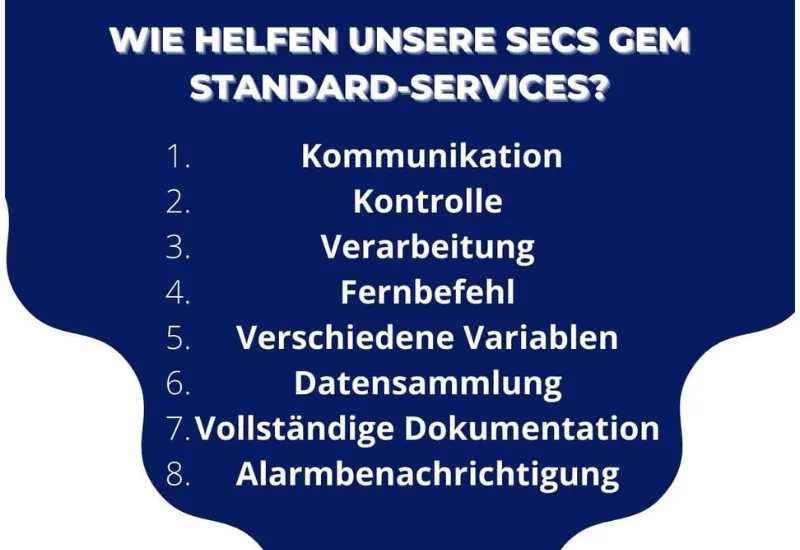
SECS/GEM Standaarddiensten voor Efficiënte Fabrieksautomatisering

Summary

Standardization benefits: Het implementeren van SECS/GEM verkort de integratietijd van apparatuur met wel 40% en waarborgt tegelijkertijd leveranciersneutrale communicatie.

Data Accuracy: Real-time dataverzameling elimineert fouten door handmatige logging en biedt één “single source of truth” voor MES- en ERP-systemen.

Compliance: Het bereiken van volledige GEM-compliance is verplicht voor moderne semiconductor-OEM’s om concurrerend te blijven op wereldwijde markten.

Efficiency Gains: Geautomatiseerd receptbeheer en mogelijkheden voor afstandsbediening verhogen de Overall Equipment Effectiveness (OEE) aanzienlijk.

Scalability: Deskundige integratiediensten stellen fabs in staat om hun activiteiten op te schalen zonder maatwerkcode voor elk nieuw hulpmiddel dat aan de productievloer wordt toegevoegd.

Introduction

Volgens Statista (2024) zal de wereldwijde markt voor semiconductorproductieapparatuur dit jaar naar verwachting een duizelingwekkende $122,8 miljard bereiken. Naarmate fabs uitbreiden om te voldoen aan de honger naar AI-chips en autosensoren, is de druk om maximale uptime te handhaven onverbiddelijk. Deze groei vereist naadloze communicatie tussen complexe machines en de hostsystemen die ze beheren. SECS/GEM-standaarddiensten bieden het essentiële raamwerk dat dit hightech gesprek zonder haperingen mogelijk maakt.

Handmatige gegevensinvoer en gefragmenteerde communicatieprotocollen zijn de vijanden van een moderne fab. Wanneer tools verschillende talen spreken, wordt de productievloer een chaotische toren van Babel. Door gestandaardiseerde protocollen te adopteren, kunnen fabrikanten de kloof tussen hardware en software overbruggen. Deze diensten zorgen ervoor dat elk stuk apparatuur, ongeacht de fabrikant, zich houdt aan één uniforme communicatielogica.

Efficiëntie in een semiconductoromgeving is afhankelijk van snelheid en precisie. Elke seconde stilstand vertaalt zich in duizenden dollars aan verloren inkomsten. Einnosys biedt gespecialiseerde SECS/GEM-standaarddiensten om apparatuurproducenten en fabs te helpen hun datapijplijnen te stroomlijnen en hun meest kritieke workflows te automatiseren.

The Foundation of Modern Factory Automation Services

De SEMI Equipment Communications Standard/Generic Equipment Model (SECS/GEM) vormt de ruggengraat van slimme productie. Het definieert hoe apparatuur communiceert met het Manufacturing Execution System (MES). Zonder deze standaarden blijft een fabriek een verzameling geïsoleerde machines in plaats van een samenhangend, intelligent organisme.

Why Standardization Trumps Custom Scripts

In de beginjaren van automatisering schreven ingenieurs vaak maatwerkdrivers voor elk nieuw hulpmiddel. Deze aanpak is fragiel en kostbaar om te onderhouden. Gestandaardiseerde communicatie zorgt ervoor dat, zodra een hostsysteem is geconfigureerd, het kan communiceren met elk GEM-compatibel hulpmiddel. Deze plug-and-play-mogelijkheid maakt moderne fabrieksautomatiseringsdiensten zo effectief.

The Role of SEMI Standards (E5, E30, E37)

Om de efficiëntiewinsten te begrijpen, moet men kijken naar de specifieke betrokken standaarden.

  • SEMI E5 (SECS-II): Definieert de berichtstructuur en -inhoud.
  • SEMI E30 (GEM): Definieert welke SECS-II-berichten in specifieke situaties moeten worden gebruikt.
  • SEMI E37 (HSMS): Biedt het hogesnelheidstransportprotocol over Ethernet.

Enhancing OEE Through SECS GEM Integration Services

Overall Equipment Effectiveness (OEE) is de gouden standaard voor het meten van fabproductiviteit. Een hoge OEE vereist hoge beschikbaarheid, prestaties en kwaliteit. Onze SECS GEM-integratiediensten hebben rechtstreeks invloed op deze metrics door dataverzameling en toolbesturing te automatiseren.

Wanneer een operator handmatig een receptnaam moet invoeren, is het risico op een typefout groot. Eén verkeerd teken kan leiden tot een afgekeurde batch wafers ter waarde van een klein fortuin. Geautomatiseerd receptbeheer via GEM-protocollen zorgt ervoor dat het MES de juiste parameters rechtstreeks naar de tool stuurt.

Real-Time Monitoring and Error Detection

Wachten tot een technicus opmerkt dat een tool is gestopt, is een luxe die geen enkele fab zich kan veroorloven. SECS/GEM maakt onmiddellijke alarmering mogelijk. Op het moment dat een sensor een afwijking detecteert, ontvangt het MES een melding. Deze directe feedbacklus maakt “lights-out”-productie mogelijk, waarbij het systeem sneller op problemen reageert dan een mens ooit zou kunnen.

Data Collection for Predictive Maintenance

Geavanceerde semiconductorsoftwarediensten gebruiken de datastromen die door GEM worden geleverd om te voorspellen wanneer een onderdeel mogelijk zal falen. Door variabelen zoals vacuümdruk of motortemperatuur in de tijd te volgen, kunnen fabs onderhoud plannen voordat een storing optreedt. Deze verschuiving van reactief naar proactief onderhoud bespaart miljoenen aan ongeplande stilstand.

Navigating the Path to GEM Compliance

Voor Original Equipment Manufacturers (OEM’s) is het leveren van een tool zonder GEM-compliance een breekpunt. De meeste Tier-1-fabs weigeren zelfs apparatuur te bekijken die niet kan integreren met hun bestaande automatiseringshost. Het vanaf nul opbouwen van deze mogelijkheden is echter een ontmoedigende taak voor een hardwaregerichte organisatie.

Simplifying the OEM Journey

Wil uw engineeringteam echt zes maanden besteden aan het lezen van SEMI-handleidingen, of richten ze zich liever op het perfectioneren van het fysieke proces van de tool? De meesten kiezen voor het laatste. Onze diensten bieden een “black box”-oplossing waarbij we uw bestaande hardware en software omhullen met een GEM-compatibele laag. Hierdoor kan uw tool met minimale wijzigingen aan uw kernlogica deelnemen aan het fabnetwerk.

Testing and Validation

Compliance is meer dan een vinkje; het vereist rigoureus testen. Wij gebruiken geavanceerde simulatietools om te garanderen dat uw apparatuur correct reageert op hostcommando’s. Dit verificatieproces voorkomt gênante en kostbare integratieproblemen tijdens de eerste installatie van de tool bij een klant.

The Impact of Equipment Communication Services on Labor Costs

Arbeid blijft een van de hoogste kostenposten in chipproductie. Automatisering helpt het aantal medewerkers dat nodig is om apparatuur te monitoren te verminderen, maar alleen als die apparatuur eenvoudig te beheren is. Uitgebreide apparatuurcommunicatiediensten maken monitoring op afstand mogelijk, waardoor één engineer tientallen tools vanuit een centrale controlekamer kan overzien.

Reducing Human Intervention

Elke keer dat een mens een cleanroom betreedt, brengt hij deeltjes met zich mee. Het verminderen van de noodzaak voor fysieke interactie met de tool verbetert de yield. GEM-ondersteunde afstandsbediening maakt het starten, stoppen en pauzeren van batches mogelijk via de MES-interface. Dit houdt de cleanroom schoner en het personeel veiliger.

Streamlined Training and Onboarding

Wanneer communicatie gestandaardiseerd is, wordt de interface voor verschillende tools consistenter. Operators en softwareteams besteden minder tijd aan het leren van de eigenaardigheden van propriëtaire software van een specifieke leverancier. Deze consistentie versnelt de “time-to-productivity” voor nieuw fabpersoneel.

Future-Proofing with Advanced Semiconductor Software Services

De industrie beweegt momenteel richting GEM300-standaarden, die nog robuuster zijn. Deze standaarden, zoals E40 (Process Management) en E94 (Control Job Management), bieden nog fijnmazigere controle over het productieproces.

Is Your Fab Ready for Industry 4.0?

De overgang naar “Smart Manufacturing” of Industry 4.0 is onmogelijk zonder een solide datafundament. SECS/GEM biedt dat fundament. Als uw data vastzit in een propriëtaire silo, kunt u geen AI of machine learning gebruiken om uw yields te optimaliseren.

Scalability and Flexibility

Een belangrijk voordeel van onze SECS/GEM-standaarddiensten is de mogelijkheid om op te schalen. Of u nu een klein R&D-lab runt of een enorme 300 mm-volume fab, het protocol blijft hetzelfde. U kunt nieuwe apparatuurtypen toevoegen of uw MES upgraden zonder u zorgen te maken dat de onderliggende communicatielaag faalt.

Conclusion

Efficiëntie in de moderne fab is geen luxe; het is een vereiste om te overleven. Naarmate de industrie richting de biljoen-dollargrens groeit, zullen de bedrijven die floreren degenen zijn die standaardisatie omarmen. Door SECS/GEM-standaarddiensten te gebruiken, zorgt u ervoor dat uw fabriek wendbaar blijft, uw data nauwkeurig blijft en uw apparatuur op topprestaties blijft draaien.
Met jarenlange ervaring in de semiconductorloopgraven weet Einnosys dat “goed genoeg” niet overleeft in high-pressure fabs. Waarom worstelen we met protocol-time-outs wanneer onze specialisten alles afhandelen, van initiële consultancy tot site acceptance testing? Wij zorgen ervoor dat uw apparatuur slim en communicatief is en vereenvoudigen zo het pad door de toenemende complexiteit van de industrie. Door robuuste SECS/GEM-standaarddiensten te leveren, helpen wij u technische hoofdpijn te omzeilen en uw productievloer om te vormen tot een echt efficiënte, datagedreven krachtpatser.

Contact Us Today

Krijg stapsgewijze hulp bij het implementeren van SECS/GEM-standaarden in uw fabriek

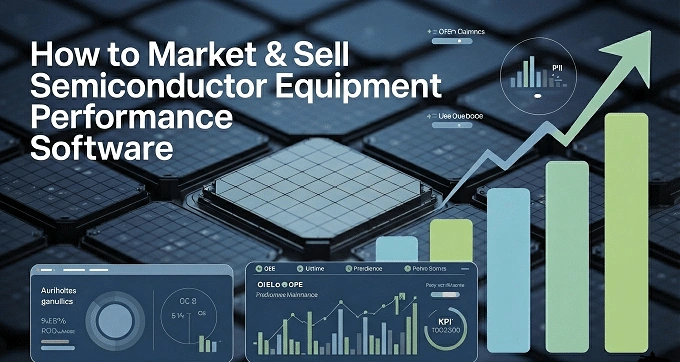
How to Market & Sell Semiconductor Equipment Performance Software

Summary

  • Lead with data-backed ROI by highlighting specific gains in yield, throughput, and uptime rather than using vague efficiency claims.
  • Prioritize SECS/GEM connectivity to ensure your software integrates seamlessly with existing factory automation protocols.
  • Navigate long sales cycles of 6 to 18 months by building trust through multi-layered stakeholder engagement and technical proofs of concept.
  • Address risk aversion directly by demonstrating cybersecurity compliance and the ability to work with both legacy and modern equipment.
  • Use technical marketing assets like white papers and API guides to build authority with the engineering teams who influence buying decisions.

Introduction

According to a 2024 report by SEMI, global semiconductor equipment sales are projected to reach a record $124 billion by 2025 (SEMI — 2024). This massive capital expenditure highlights a critical need for performance improvement software for semiconductor equipment as manufacturers strive to maximize the output of their multi-million dollar assets. Selling into this space requires a blend of deep technical fluency and an understanding of the immense pressure found on the cleanroom floor.The right software directly improves yield and throughput, turning operational data into measurable production gains.

Success in this niche requires more than a standard pitch deck; it demands a proof-of-value that resonates with both the C-suite and the floor engineers. In an environment where a single hour of downtime costs a leading fab upwards of $30,000, software is no longer a peripheral concern (McKinsey — 2023). It is the primary driver of competitive advantage.

Building a robust pipeline for semiconductor software sales means speaking the language of throughput, uptime, and yield. Whether you are marketing to Original Equipment Manufacturers (OEMs) or directly to the fabs, your strategy must reflect the precision of the hardware your software controls.

Understanding the Unique Sales Cycle of Fab Equipment

Marketing to the semiconductor industry is a marathon, a sprint, and an obstacle course combined. The buying process often involves multiple layers of stakeholders, from procurement officers to automation specialists who treat their equipment like a prized collection of high-tech sports cars.

Selling to OEMs vs. Fabs

OEMs look for OEM software solutions that make their machines more attractive to end-users. They want reliability and ease of integration. If your software makes their hardware look better, you have a deal. Conversely, fabs focus on fab equipment optimization tools that can be retrofitted or integrated into existing workflows to squeeze out an extra 1% of efficiency.

The Role of Long-Term Proof of Concept (PoC)

Technical teams rarely take a salesperson’s word for it. A PoC is the standard “prove it” phase. During this time, the software must demonstrate its ability to handle high-volume data without crashing the host system. Highlighting how your manufacturing efficiency software handles real-world variability is essential for moving past the trial phase.

Positioning Performance Improvement Software for Semiconductor Equipment

To market your product effectively, you must define what “performance” actually means for a fab. Is it faster wafer handling? More precise chemical delivery? Or perhaps it is the reduction of “ghost” alarms that stop production for no reason.

Marketing SECS/GEM Software Connectivity

Modern fabs run on data, and that data flows through SECS/GEM protocols. When engaging in SECS/GEM software marketing, focus on the seamless nature of your integration. If an engineer thinks they have to spend six months coding a bridge to your software, they will walk away. Emphasize “plug-and-play” capabilities, even if the reality involves a bit more configuration.

Solving the Data Silo Problem

Many fabs suffer from “islands of automation” where machines do not talk to each other. Your marketing should highlight how your performance improvement software for semiconductor equipment breaks down these barriers. Connectivity is the foundation of any optimization effort.

Data-Driven Strategies for Manufacturing Efficiency Software

Gartner (2023) reports that 60% of manufacturing organizations will utilize digital twins or advanced simulation to optimize production by 2026. This trend provides a perfect opening for software vendors.

Quantifying the ROI of Optimization

Numbers talk louder than adjectives in this industry. Instead of saying your software is “fast,” state that it reduces wafer cycle time by 4.2 seconds. This level of specificity builds immediate credibility. Use case studies to show how fab equipment optimization tools directly impact the bottom line.

Addressing Technical Debt and Legacy Systems

Many fabs still run on hardware that belongs in a museum, yet it produces millions of dollars in chips. Selling performance software often involves convincing a manager that your modern code can coexist with a 20-year-old PLC. Marketing materials should address compatibility directly to alleviate the fear of broken workflows.

Overcoming Resistance in Semiconductor Software Sales

The semiconductor world is notoriously risk-averse. If a machine is working, no one wants to touch it. This “if it ain’t broke, don’t fix it” mentality is the biggest hurdle for semiconductor software sales.

The Security Objection

With intellectual property worth billions, fabs are paranoid about cybersecurity. Ensure your sales team can discuss “air-gapped” environments and data encryption with ease. If your software requires a constant cloud connection, be prepared for a very short meeting.

The Ease of Use Factor

Engineers are busy. If your software requires a 200-page manual to operate, it will become shelfware. Marketing should highlight intuitive dashboards and automated reporting features. Think of it like a “check engine” light, but for a $50 million lithography machine—simple, clear, and actionable.

Advanced Marketing Channels for OEM Software Solutions

Traditional ads rarely work in the semiconductor space. You are not selling soap; you are selling a complex logic system.

  • White Papers: Deep dives into specific technical challenges (e.g., thermal management or vacuum stability).
  • Webinars with Industry Experts: Partnering with a known consultant can lend your brand instant authority.
  • Trade Shows: Events like SEMICON are where the real networking happens.

Content Strategy for Automation Specialists

Automation specialists value technical documentation over flashy brochures. Provide them with API references, integration guides, and performance benchmarks early in the sales process. This transparency fosters trust and shortens the evaluation period.

Crafting the Final Pitch

When the time comes to close the deal, the focus should return to the human element. The fab manager is not buying code; they are buying a better night’s sleep. They want to know that when they go home, the machines will keep humming along.

A successful pitch for performance improvement software for semiconductor equipment connects the technical specs to the emotional relief of a stable production line. Use testimonials from other engineers to provide social proof. In a small industry like this, reputation is everything. One successful installation at a major fab can lead to a dozen more through word-of-mouth.

Conclusion

Marketing and selling performance improvement software for semiconductor equipment requires a deep respect for the complexity of the manufacturing environment. By focusing on data-driven ROI, seamless connectivity, and robust security, your sales team can overcome the industry’s natural resistance to change. As the demand for smaller, faster chips grows, the software that optimizes their production will become the most valuable tool in the cleanroom.

Contact Us Today

Get Expert Guidance to Sell Performance Software to Semiconductor Fabs